Lifecycle foundations.
A prioritised lifecycle map: which customer moments to build first, what triggers each message, and where it should lead.
Deliverable / Journey map & flow prioritiesSee how I’ve helped shoppers choose a product, understand a launch and find a reason to return.
From a category listing to a guided decision. See the page change, then explore how the rebuild helped golfers compare three drivers.
The original page put the range on one shelf. Golfers could see the options, but had to work out why they might pick one over another. The rebuild paired product education with a clear role for each head.
Explore the model guideStart with what you want from the tee. Choose a priority to see the matching driver, its standard flight profile and a feature your fitter can adjust.
Start with GTS2 if stability and forgiveness across the face are your priorities.
Launch and spin are relative to the GTS range in the standard setup. Use this as a starting point for a fitting.
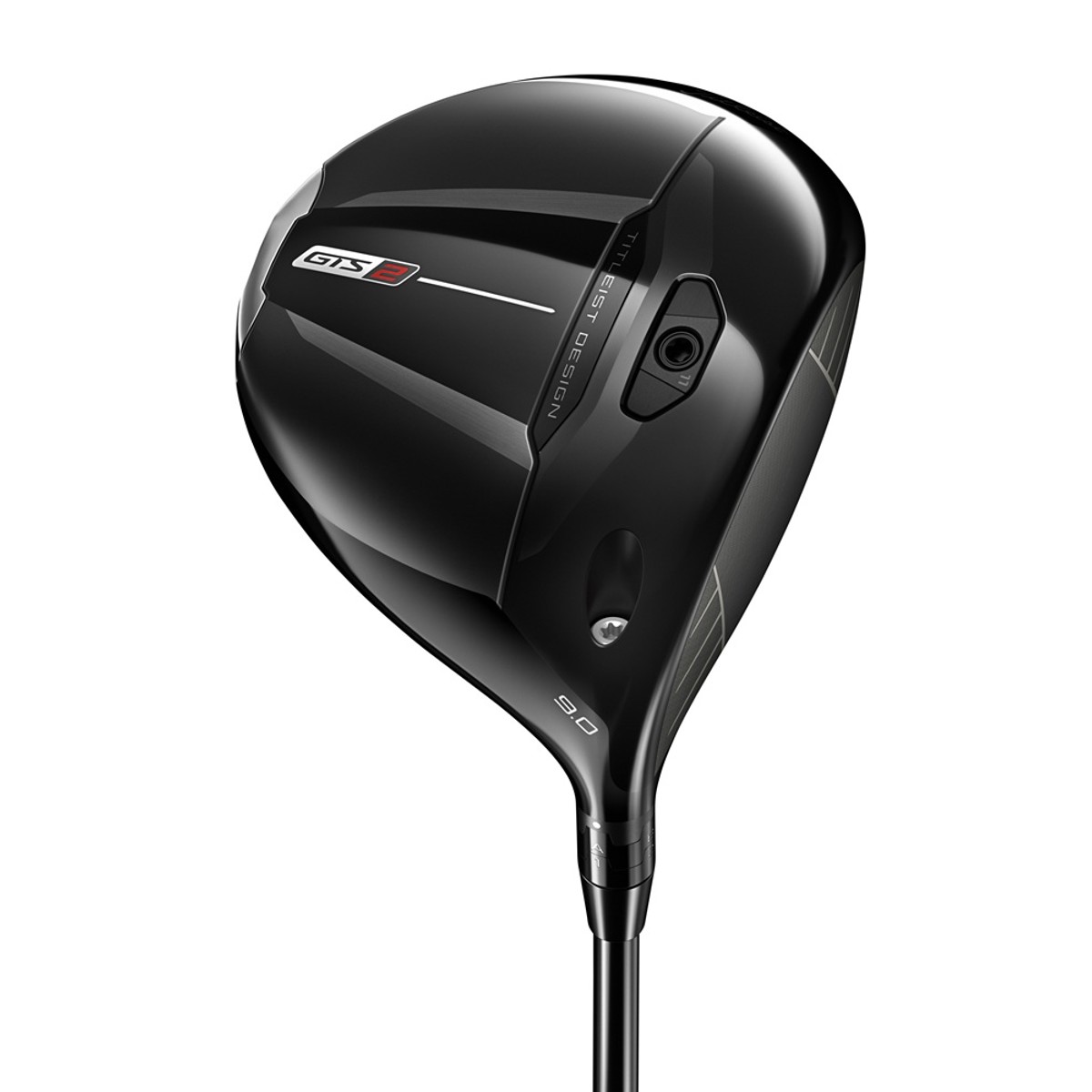
See the live driver guide Titleist model specifications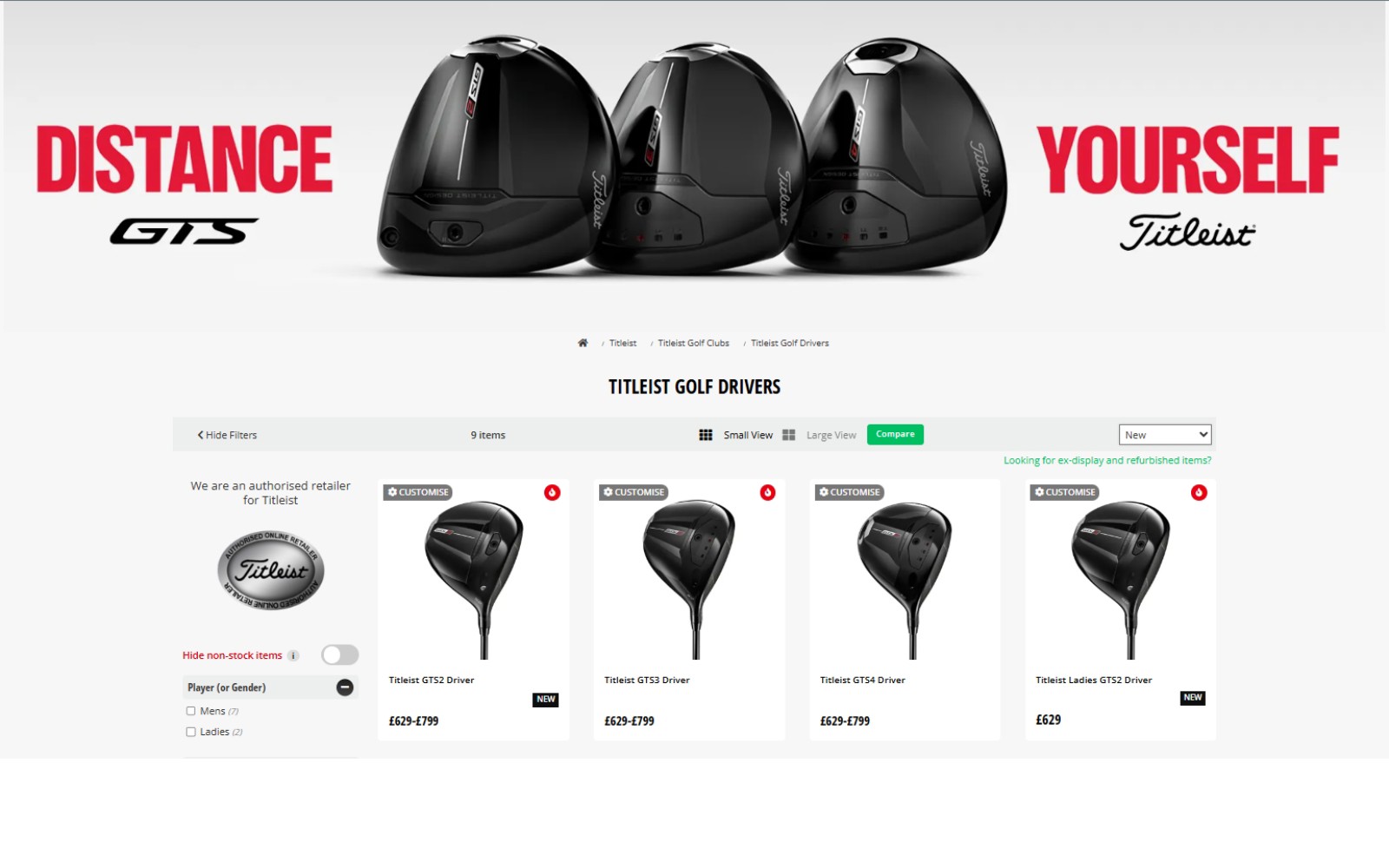
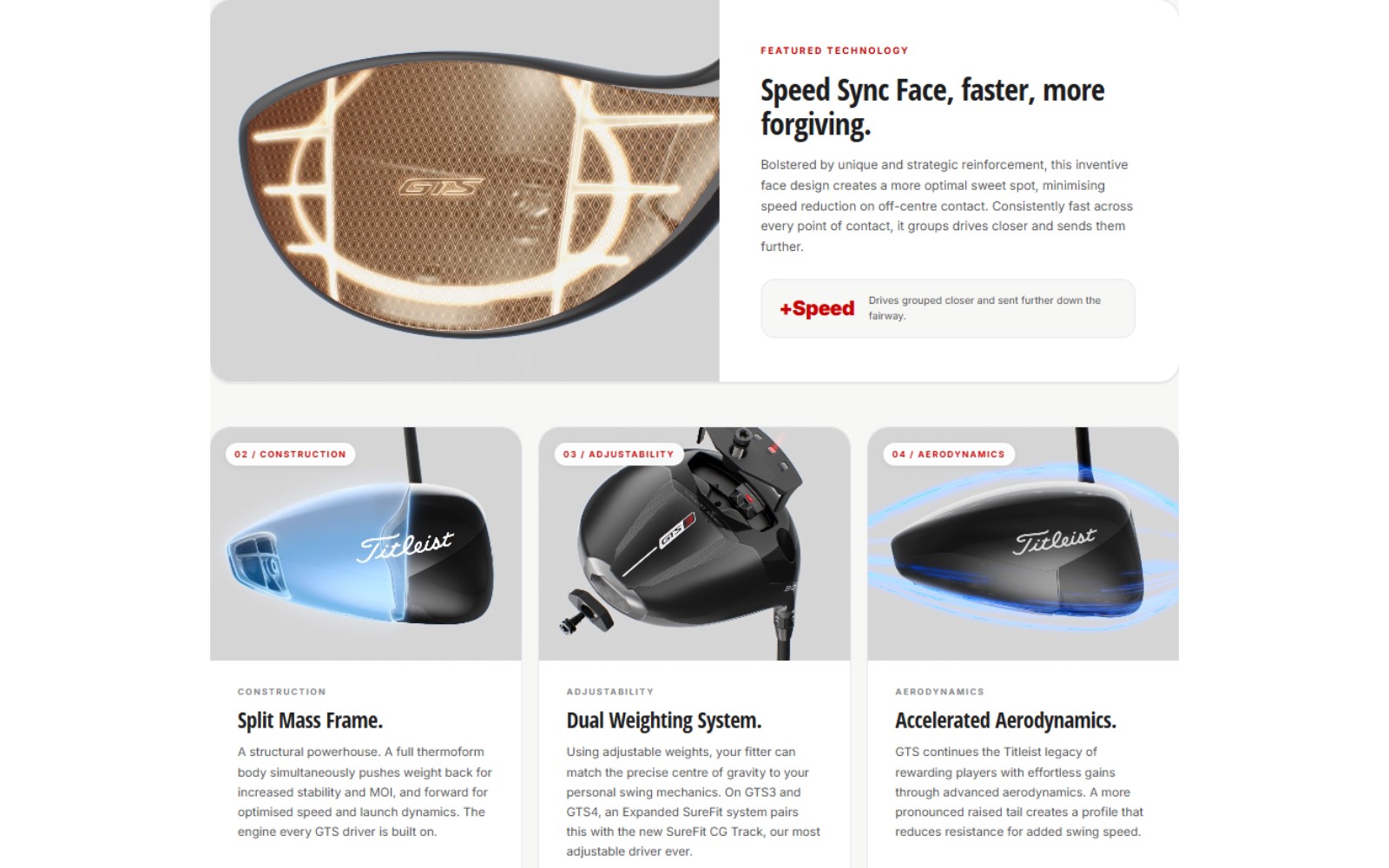
Two flat weights let a fitter shift mass forward or back.
Launch and brand experiences built for GolfOnline, alongside CRM and retention projects. Pick a case to see the problem, what shipped, and the result.
Commercial results are reported in the original portfolio. Where performance figures are unavailable, the case shows delivered scope. Charts are illustrative.

A mini driver is easy to describe by size and loft. The harder question is when it earns a place in the bag.
I opened the launch with a tight tee shot, where a full driver can bring trouble into play and a 3-wood can leave a longer approach. With that decision in mind, the golfer has a reason to compare the clubs and explore the technology.
Put the golfer on a narrow tee before introducing the specs.
Compare it with a driver and 3-wood, then show when to use it.
Use the film and weight lab to connect each feature to the shot.
Four ports make more sense when you can see what a change does. I paired each setup on the sole with a flight trace and simple readouts for launch, spin and forgiveness.


Select a light port to move a heavy weight, or compare a preset.
Heavy weights at the heel and toe spread mass across the head for stability and a neutral flight.
Adapted from the live weight lab. Flight paths are qualitative illustrations for a right-handed golfer.
Launch story, club comparisons, on-course scenarios, chaptered product film and interactive weight lab.

A real GolfOnline build. The GTS line had three strong drivers but no story tying them together.
See the redesign and model guide ↑The GTS2, GTS3 and GTS4 each sat on their own product page under a category grid. Nothing told the customer why GTS mattered or which model fitted their game.
Build an experience page above the products: lead with the technology story, then guide each golfer to the right driver and a fitting.
The supplied portfolio reports 5× hub engagement compared with a standalone product page and 35% more add-to-baskets from the experience. The engagement definition, measurement window, sample size and underlying analytics have not been supplied, so these figures should be read as portfolio-reported results rather than independently verified findings.

A real GolfOnline build. Callaway's 2026 Quantum range spans drivers, fairways, hybrids and irons, each with its own technology. The hub turns that range into a guided decision.
Eleven models across four categories and three headline technologies. In a category grid, the difference between Max, Max D and Triple Diamond was invisible, and choosing meant opening tab after tab.
One hub that leads with the technology, then narrows the choice: a two-step Quantum Finder, rated model cards with fitter's notes, compare tables and ready-made bag builds, all ending in a fitting.
Delivered range scope: four drivers, three fairway woods, two hybrids and two iron models. This is a count of connected models, not a commercial performance result.
View the live Quantum hub ↗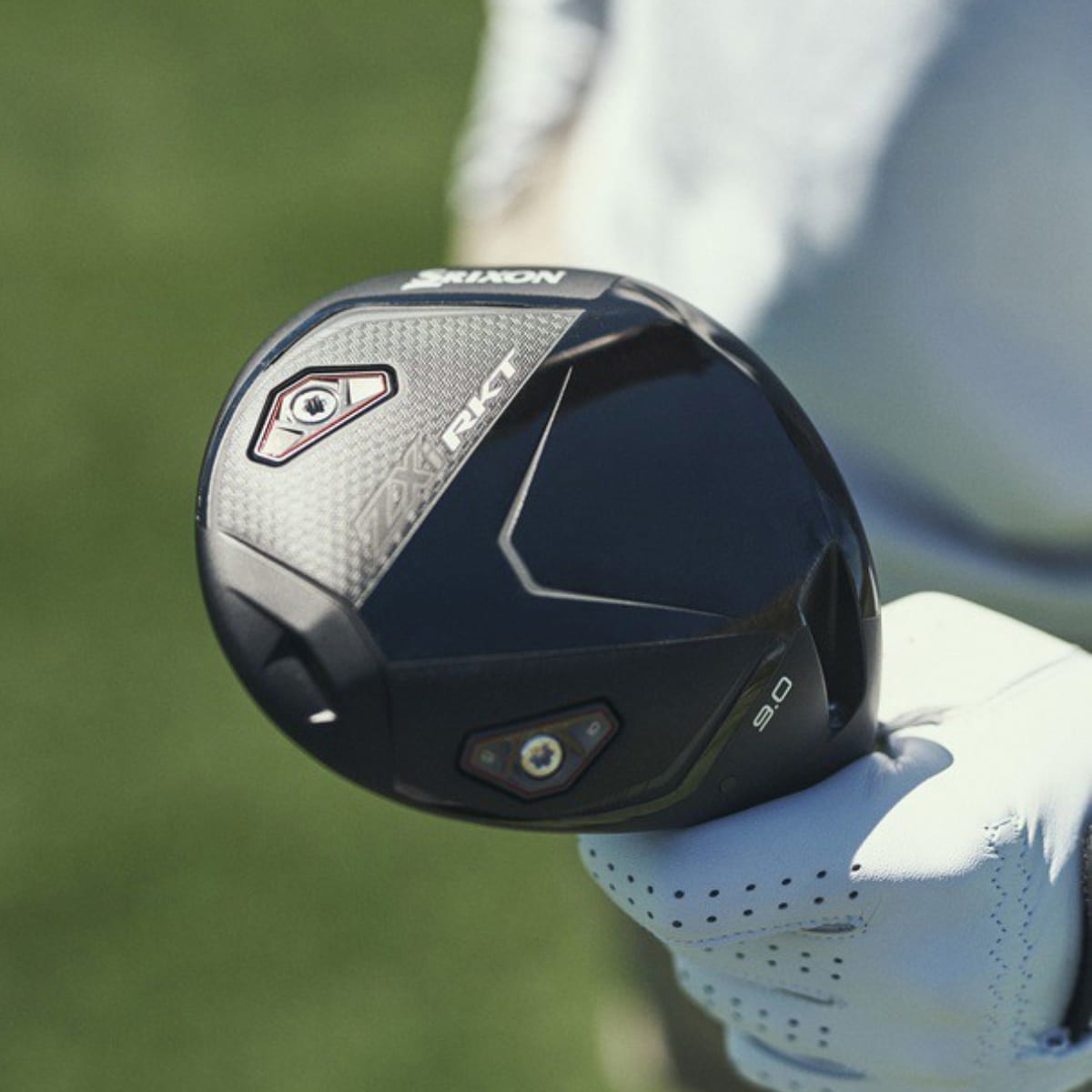
A real GolfOnline build. Srixon has major-winning pedigree and a full range from drivers to balls, but rarely gets the storytelling of the bigger names. The hub leads with that heritage, then routes every golfer to the right club or ball.
Woods, forged irons, three tiers of ball and accessories, but inside a multi-brand retailer it read as a list of products, with none of its heritage or technology on show.
A brand hub that tells the story first, "Won quietly. Built loudly.", then does the choosing: a three-question driver finder, an interactive iron-tech explorer and a ball finder that offers a value alternative across three price tiers.
Delivered scope shown here; commercial performance data has not been supplied.
View the live Srixon hub ↗
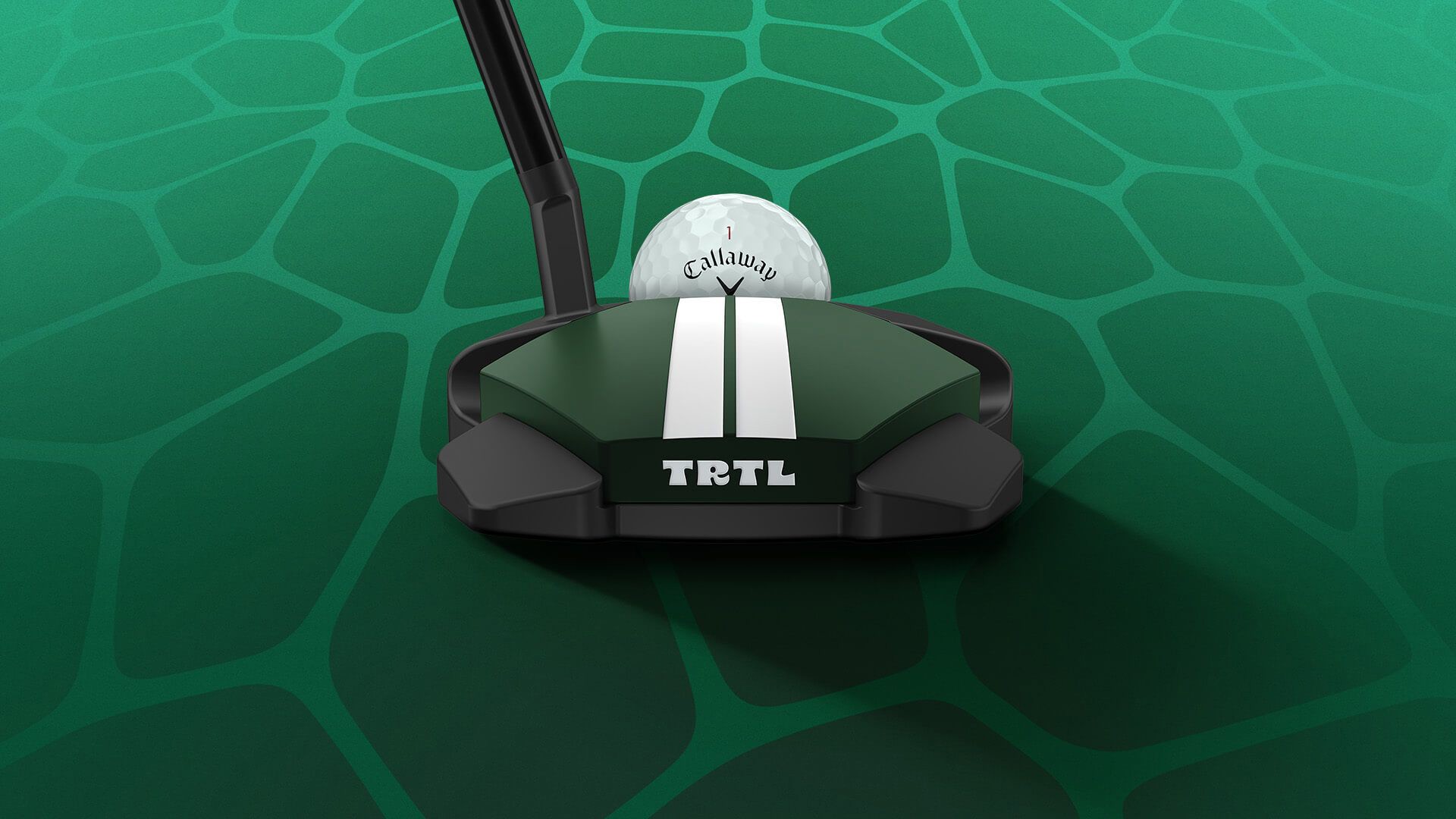
A real GolfOnline build for Odyssey's TRTL launch. The hub starts with a single question, "Look down. What do you see?", and lets the turtle explain the engineering, then matches each golfer to one of four necks and puts the putter in their hands on a playable green.
Four TRTL models share one shell, so in a product grid they look almost identical. The real difference is the neck and toe hang, which only matters once you know how you putt. It also had to sell before stock arrived.
A story-led hub: a Look Closer reveal that turns the head into a turtle, a stroke-matching finder that recommends a neck with full specs, an interactive under-the-shell tour of weights, insert and roll, and a five-hole putting game with every model, all leading to reserve, fitting or trade-in.
Delivered scope shown here; commercial performance data has not been supplied.
View the live TRTL hub ↗“This is a best-in-class example of how to bring a product to life digitally so thank you for the hard work that has gone into this.
This section is so good with the animations, and love the gamification element with the ‘putt it yourself’ module — really clever.”
The putter becomes the shell. The reveal makes the product’s shape and stability story immediately visible.

A real GolfOnline build. Scotty Cameron putters are bought on heritage and feel as much as on specs, so the page reads like a museum of the craft: where Scotty started, the shapes that never left, how each putter is milled, and then a calm route to the right one.
A premium brand with decades of history and a deep range: Studio Style classics, twelve Phantom heads across six families, a sharper-priced line and tour pieces. In a product grid it read as a long list of similar putters at premium prices, with none of the craft that justifies them.
A slower, premium experience built on “The art of the putter.” A heritage timeline from the 1960s garage to Augusta in 1993, the classic shapes and how they are milled, then a guided choice: blade, mid-mallet or mallet, the Phantom family explained, a sharper-priced Cameron, the Vault and a fitting bench.
New build, so results are still to come. Delivered scope shown here.
View the live Scotty Cameron page ↗

A full revamp of the Titleist brand world, so it feels like Titleist's own site within the GolfOnline ecosystem.
Titleist is a premium, design-led brand, but inside a multi-brand retailer it rendered like every other product list. The brand world, and the reasons to trust it, got flattened.
Rebuild the entire Titleist presence so it feels like Titleist's own site, living inside GolfOnline: one brand design language across drivers, balls, apparel and fitting, with story and education built in.
Move beyond one message for everyone. Build around where a customer is, what they need and a useful next step.
A broad newsletter calendar, with an opportunity to make the channel more relevant to individual customers.
Welcome and basket-recovery flows, audience segmentation and a campaign calendar with a clear commercial role.
A focused CRM project can connect the planning, the messages and what happens after the click.
A prioritised lifecycle map: which customer moments to build first, what triggers each message, and where it should lead.
Deliverable / Journey map & flow prioritiesMessage hierarchy, content and connected journeys for welcome, recovery and campaigns shaped around a relevant audience.
Deliverable / Message & experience designA campaign calendar and an agreed measurement plan, with clear priorities for the next iteration.
Deliverable / Calendar & measurement planThese figures describe the supplied GolfOnline case. The interactive examples illustrate the thinking behind the work.
Results are reported in the original portfolio supplied by Aman. The underlying reporting periods, baselines and attribution settings are not included here. The figures have not been independently verified, and are not attributed to the individual archived emails below.
Real GolfOnline campaign previews, archived on Milled. See how a product story becomes an inbox moment and a route back to the site.
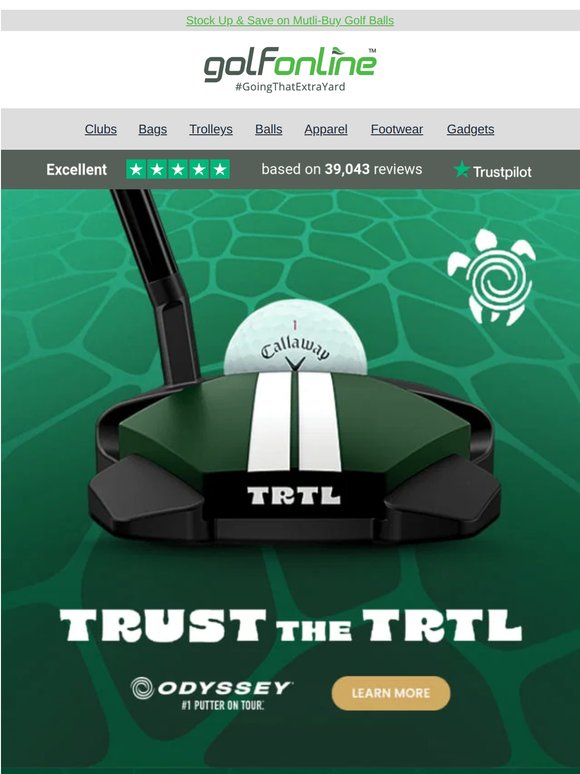

Source: GolfOnline’s public campaign archive on Milled. These are broadcast campaign examples. The interactive message layouts above are illustrative. The archive does not establish individual authorship or the performance of these sends.
Start with a free teardown of a public page, or talk through a focused CRM project.
Earning the second and third order without leaning on a discount code.
Repeat purchase leaned on discount codes, which trained customers to wait for the next one.
Design loyalty around recognition, not markdown: points, tiers, preference capture and well-timed repeat triggers.
Results reported in the supplied portfolio. The membership visual illustrates the programme structure, not live customer data.
Selected brand and product experiences delivered through GolfOnline. Evidence of the craft behind the consultancy: helping customers understand, choose and buy with confidence.

The full brand world: the GTS driver launch and experience page, Pro V1, Vokey wedges and Scotty Cameron.
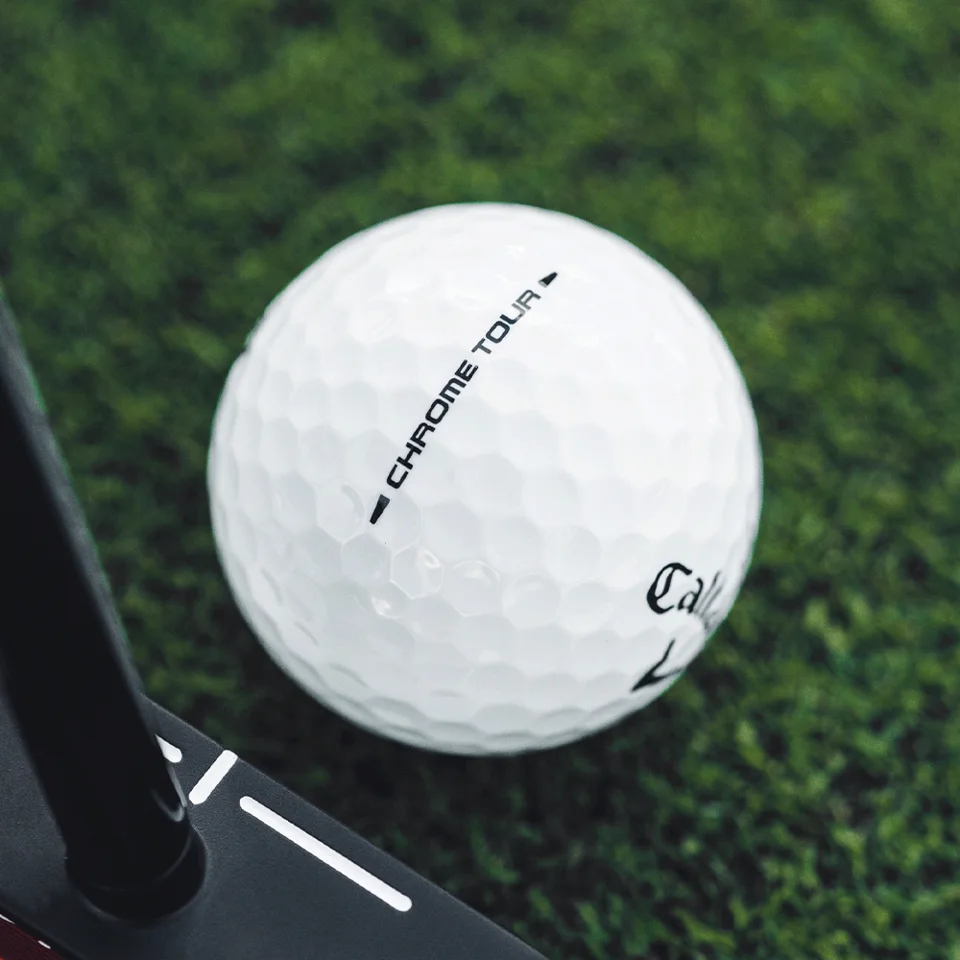
A golf-ball collection hub connecting construction, model comparison, alignment options and a ball finder.

A range experience connecting Pro V1, Pro V1x and the wider Titleist collection through product education and range discovery.

A brand-experience build for the NAVEE Birdie 3 electric trolley, praised by the NAVEE team.
Tell me what your customers are experiencing,
and what you’d like to change.
Bring the context.
We’ll shape the next step.